
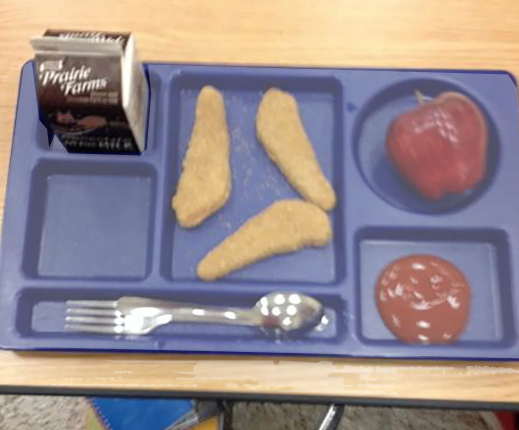
The problem not talked about often enough.
Ever since the United States started funding school lunches in 1946, the industry has faced controversy. What started as a system designed to feed kids has turned into a complicated and often flawed program that still affects millions of students.
One of the most well-known examples of this flawed system came in 1981, when the USDA, under the Reagan administration, attempted to cut $1.5 million dollars in the school meal budget by including ketchup as a vegetable. While the proposal was widely criticized and eventually shot down, it presented a deeper problem. School lunch was always going to be more about funding than the actual needs of the students.
The situation grew even more problematic in the 90’s, when popular fast food chains began to pop up at underfunded schools around the country, raising questions about schools accepting payment to serve children specific food.
In 2012, the Healthy, Hunger Free Kids Act, pushed for by Michelle Obama, aimed to improve the quality of school lunch meals. Although the act had pure intentions, like adding more vegetables and real food onto students’ plates, the outcome was anything but desired. Waste spiked in school lunches when vegetables were added, with many students refusing to eat them. The quality of the food also declined in many areas because the more expensive healthy foods being pushed for took more of their budget. Rather than acknowledge they may need a larger budget, schools attempted to find the cheapest possible brands to serve. This resulted in food that didn’t meet safety regulations at the time.
These examples raise the hard question. How do we fix it? First of all, schools need more funding specifically for high-quality fresh food, not cheap bulk meals. Right now, the government only gives the school roughly 3 to 4 dollars per lunch, which makes it hard to serve meals that are both healthy and tasty. If that number was increased, schools could afford more fresh food and pay more employees to prepare the food. Another way these problems can begin to be resolved is giving students more choice over what they are eating. According to the School Nutrition and Meal Cost Study by the department of agriculture, schools throw away up to 30% of what is being served, especially the fruits and vegetables, wasting even more money.
At the end of the day, school lunches should have one goal. Serve students lunches that are healthy, affordable, and the students will actually eat. Without these changes, schools will continue to repeat the problems students have faced for decades.
