
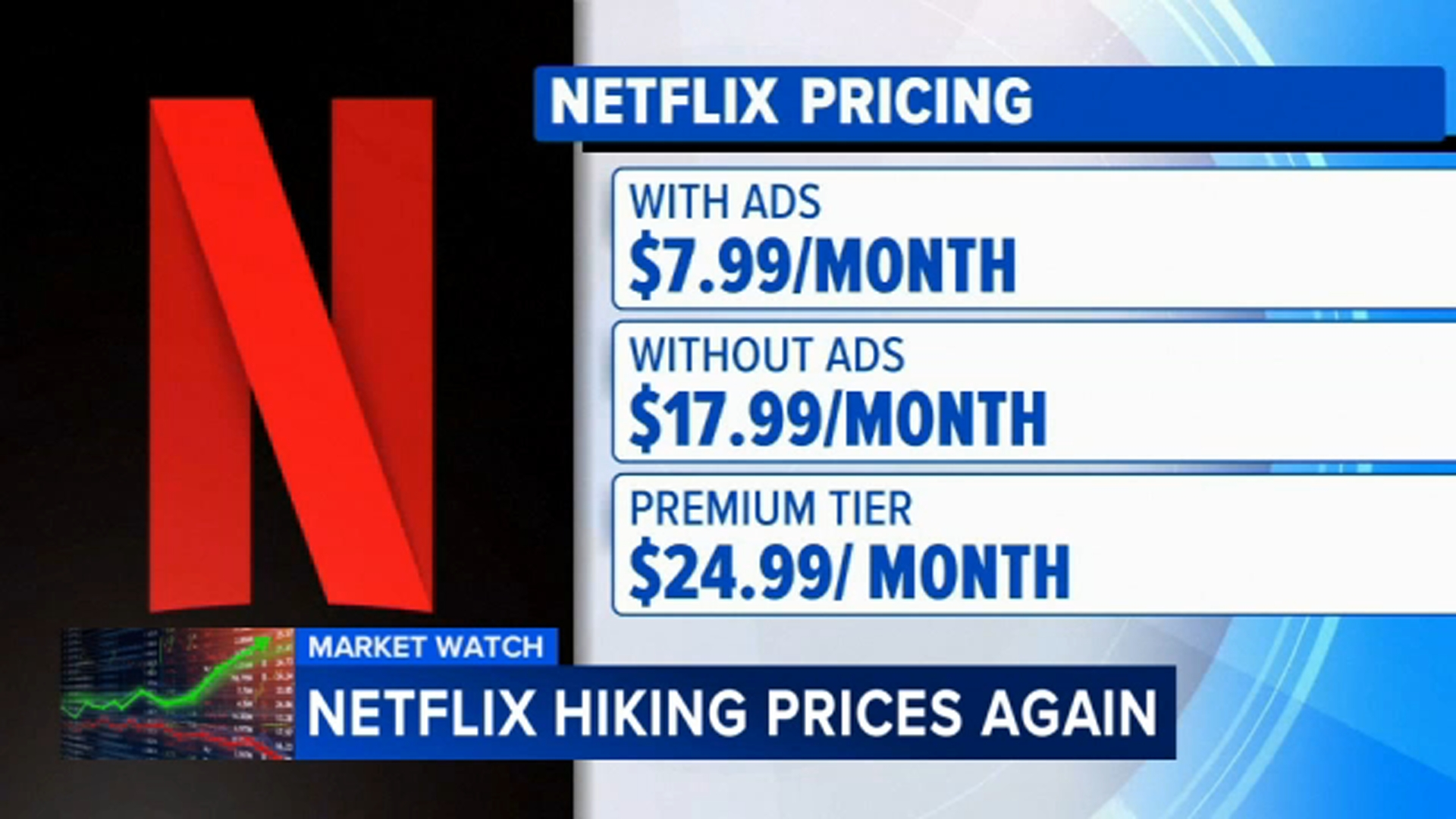
How subscription based payments killed true possession.
As of May 2026, the subscription economy is projected to reach about $738.82 billion, which displays a projected growth rate of 18.5%. Something that started as an easy way to access movies and music has begun to expand into almost all categories of consumerism like software, tech, and even physical goods.
Recent studies show a significant gap between what consumers think they are spending vs what they spend in reality. The average consumer estimates their monthly subscription costs at about $86. Audits show the number is closer to $219 a month. The gap between these numbers per month is $133 which results in more than $1500 in unknown spending yearly.
Research from early 2026 shows that 41% of consumers now report experiencing something called subscription fatigue. This fatigue combines financial strain, and the difficulty of managing multiple accounts.
Even despite the fatigue, services that go unused are still a major source of waste. 36% of Americans pay for at least one streaming service that hasn’t been used in at least 6 months. The average person usually has about 0.8 unused subscriptions, which costs about $127 a year for doing nothing. 42% of consumers admit to having stopped using a service, but still pay for it because they didn’t remember to cancel or the process to do so was too hard.
The same applies for physical ownership being harder to maintain with the rise of something called Hardware as a service. Lots of products from heated seats, to fitness equipment require monthly pay to maintain functionality. If the payment isn’t met the product becomes useless or loses features, despite access to the physical device.
Recently in response to some of these trends there has been a massive surge in protection attempts for consumers. The FTC and state legislature are currently working on enforcing the Restore Online Shoppers Confidence Act (or ROSCA). Some shifts that have begun to occur include mandatory transparency including disclosing terms consistently, easier cancelling rules, and refunds if a consumer cancels in a certain time period.
Next time before skipping terms and conditions and buying a service, keep in mind a plan to cancel and bail early if you decide you have to. That includes free trials (especially longer ones). Try setting calendar updates for times before your subscriptions renew.
